Key Takeaways
Understanding dock permit requirements is essential before starting construction, with variations across states depending on dock size, location, and waterbody type.
Some docks may be exempt from permits depending on local laws, but structural repairs or expansions often still require approval from state or local agencies.
Working with a knowledgeable dock dealer can streamline the permitting process by helping navigate paperwork, compliance, and regional regulations.
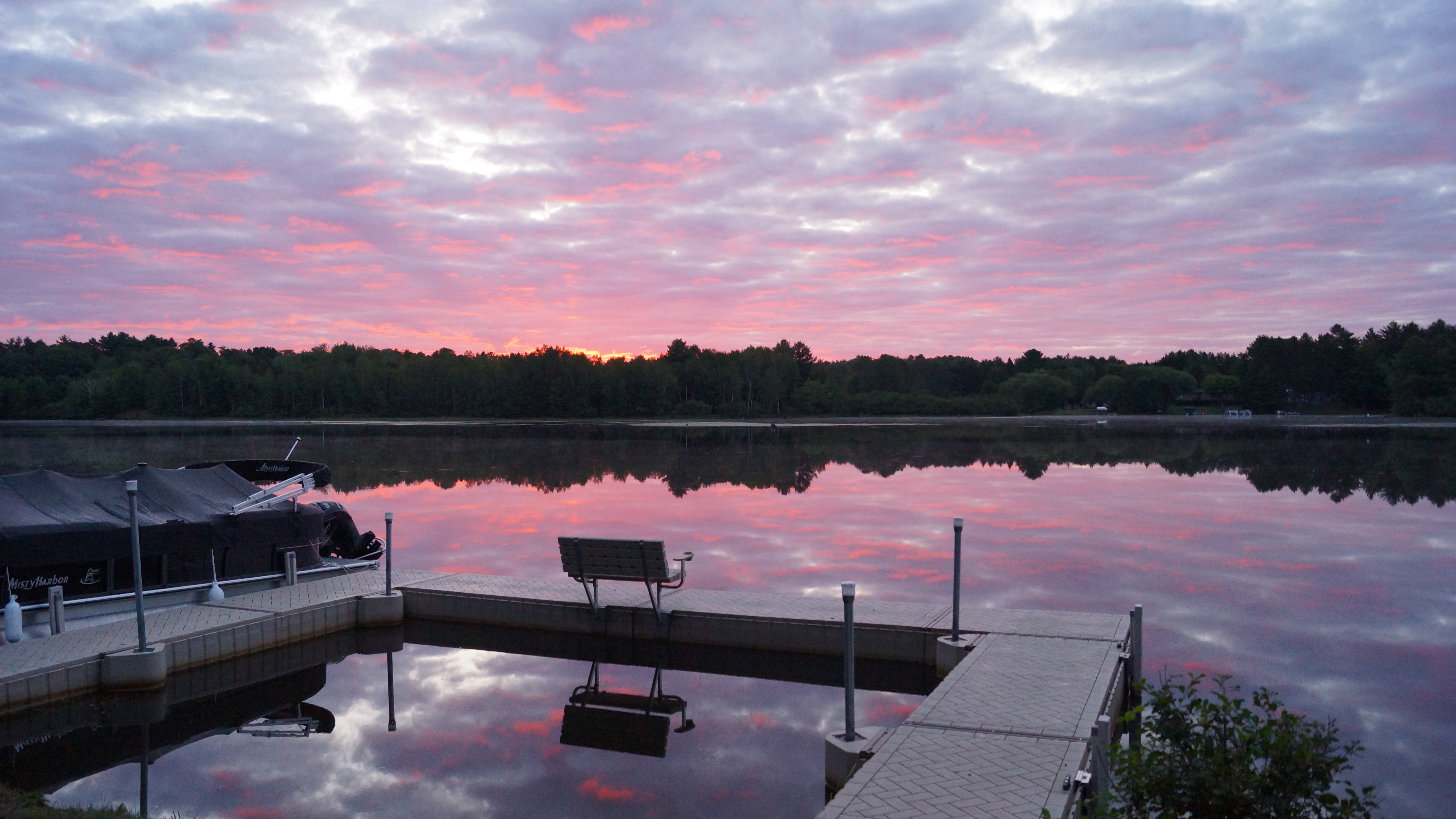
While building a dock for your waterfront property is an exciting prospect akin to creating a gateway to leisure and adventure, it comes with its fair share of regulatory hurdles. Depending on your area, navigating the maze of dock permitting requirements can be an exhausting bureaucratic exercise.
Below, we explain common state-specific regulations and typical processing times to help minimize the hassles that could come with building your dream dock.
Are there dock permit requirements per state?
Yes, each state has its own set of regulations governing dock construction and permitting. These regulations can encompass factors like:
Dock size and location: These significantly impact permitting requirements. Certain states have limitations on dock length or how far it can extend into the water. In Florida, all docks cannot extend more than 500 feet waterward. In contrast, Michigan does not require a permit for a seasonal dock or boat hoist that is removed at the end of the boating season (State of Michigan, n.d.). This can make modular docking systems an excellent choice if you’re from Michigan.
Waterbody type: Regulations may differ depending on whether the proposed dock is on a lake, river, or oceanfront property. For instance, docks up to 1,000 square feet may be exempt from Florida permitting requirements if they’re installed in canals (Florida Department of Environmental Protection, n.d.).
Environmental considerations: Permits may also be required to address potential impacts on wildlife habitats or water quality. For example, the Texas Parks and Wildlife Department administers dock permits, focusing on protecting natural resources and ensuring public access to water bodies.
It’s crucial to familiarize yourself with these requirements before embarking on any waterfront project, even residential floating docks. Keep in mind that the guidelines for the examples mentioned above may change. It’s always best to consult your local permitting agency for the most up-to-date information.
What is the average processing time for a dock permit?
The processing time for dock permits varies wildly depending on the jurisdiction and complexity of the project. While some permits may be issued relatively quickly, others may take several weeks or even months to secure. It’s essential to factor in ample time for the permit application process when planning your dock construction timelines.
In Coronado, California, for example, a dock permit is required for all work on boat docks and related attachments within the annexed boundaries and waterways of the city (Coronado California, n.d.). To illustrate how complex the requirements can be, you also need the following:
The applicant must be a California-licensed contractor with an “A” license in current and good standing.
Contractors must have a current city business license and a certificate of insurance with $1,000,000 in general liability coverage. The certificate must also list the City of Coronado as an additional insured.
Before applying for a city dock permit, the applicant must also get approval from the Coronado Cays Architectural and Environmental Control Committee.
Here are a few general tips to expedite the process:
Contact your local permitting agency: Don’t hesitate to reach out and clarify any uncertainties about the application process or required documentation.
Review all requirements: Ensure your application includes all requested documents and information. Missing elements can lead to delays and requests for revisions.
Consider professional assistance: Permitting procedures can be intricate. Consulting with a qualified professional familiar with local regulations can streamline the process, potentially reducing waiting times.
Contact your local PolyDock today to learn more about dock permitting processes in your area.
Do you need a permit to repair a dock?
In many cases, repairs or modifications to existing docks may also require permits, especially if they involve structural changes or expansion. Even routine floating dock maintenance activities like replacing decking or repairing pilings may fall under regulatory scrutiny.
If your repairs involve changing the dock’s footprint, materials, or overall structure, it’s best to err on the side of caution. Contacting your local agency for clarification can save you time, money, and potential fines down the road.
PolyDock Local Dealers: Your Permitting Partners
Navigating the complexities of dock permits can be challenging, but you don’t have to go at it alone. When you choose PolyDock Products, you also get an extensive network of dealers equipped with the local knowledge and expertise to guide you through the permitting process. As waterfront enthusiasts themselves, they understand the intricacies of local regulations better than anyone.
Whether you’re building a new dock or repairing an existing one, our team is committed to ensuring that your project complies with all the relevant regulations and requirements. Contact us today to find a local dealer near you and kickstart your dream waterfront project.
FAQs
What’s the biggest mistake people make when applying for a dock permit?
One of the most common mistakes is failing to review specific local requirements or submitting incomplete applications. This often leads to costly delays or rejections. Consulting with your local permitting authority or dock dealer before applying is the best way to avoid surprises.
How can PolyDock help with permitting?
PolyDock’s network of dealers has hands-on experience with regional dock regulations and permitting processes. They can help you gather the correct documents, understand compliance needs, and get your project approved more quickly.
Are dock permits needed for seasonal floating docks?
In some states, seasonal docks that are removed each year may not require permits, especially if they don’t exceed size or environmental impact thresholds. However, it’s critical to confirm with local officials before assuming an exemption applies.
References:
Florida Department of Environmental Protection (n.d.). Dock Permitting in Florida. Retrieved from https://floridadep.gov/sites/default/files/SWD_Dock%20Permitting%20in%20Florida-D5_FINAL_0.pdf
State of Michigan (n.d.). Docks, Boat Hoists, and Swim Rafts. Retrieved from Docks-Boat-Hoists-Swim-Raft-Handout.pdf (michigan.gov)
Coronado California (n.d.), Dock Permits Retrieved from https://www.coronado.ca.us/314/Dock-Permits


