Key Takeaways
Multi-zone docks improve safety, flow, and user enjoyment.
Plan separate zones for swimming, boating, and personal watercraft.
PolyDock modular systems make layout changes easy over time.
Accessories and layouts can blend function and lifestyle appeal.
The right design enhances both aesthetics and waterfront value.
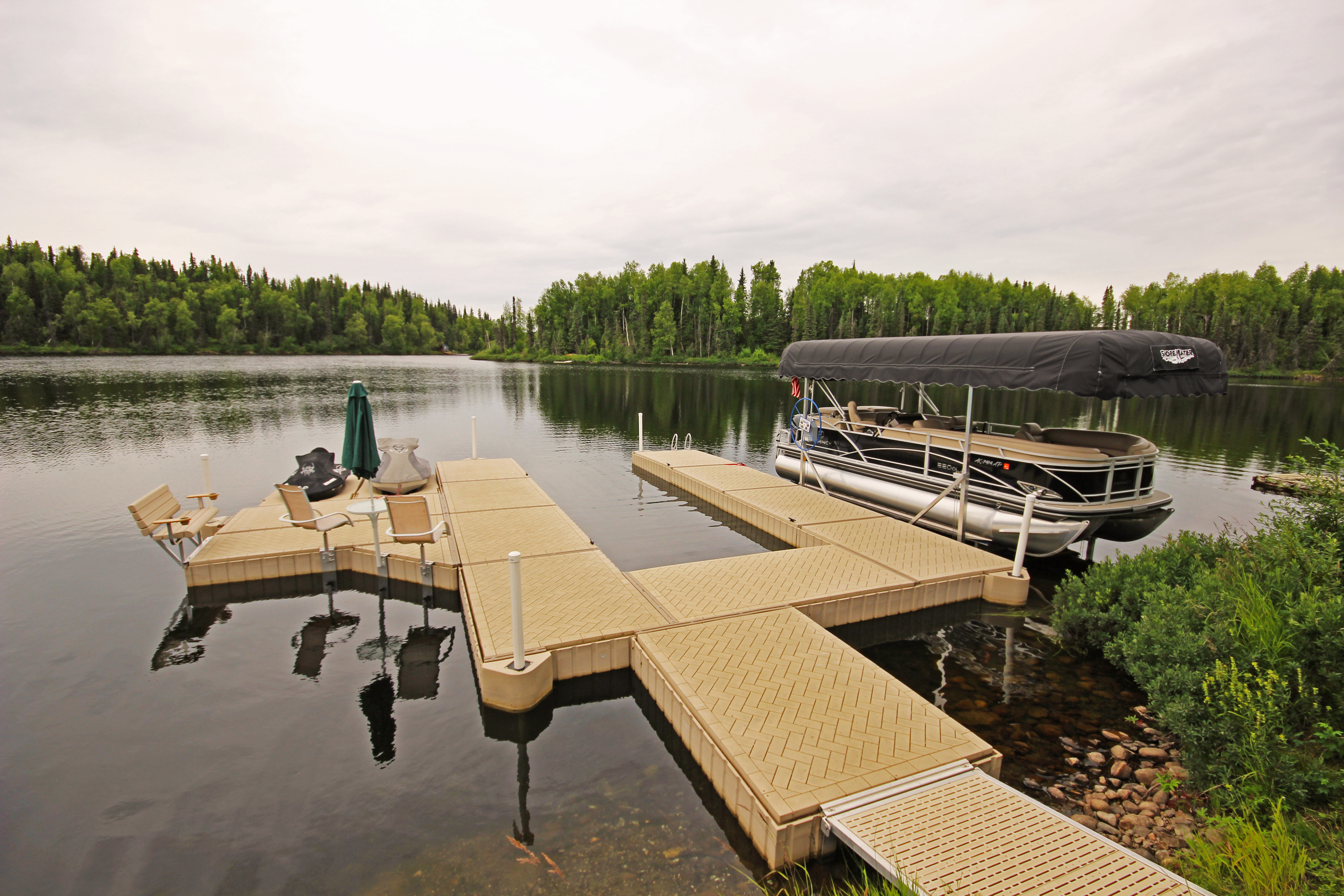
Why Multi-Zone Dock Design Matters
As waterfront lifestyles become more active, docks tend to outgrow their original purpose. What was once a platform to launch and moor boats can become an outdoor activity hub where a mix of swimming, jet skiing, kayaking, entertainment, and relaxation often happens simultaneously.
Without thoughtful planning, these activities can overlap, compromising both safety and enjoyment. Swimmers and kayakers can cross paths with incoming watercraft, while crowded platforms can get even more congested with the clutter of various gear and equipment. A multi-zone dock design gets ahead of these potential issues, bringing structure to the waterfront that ensures every activity has a dedicated space for everyone to do and enjoy their own thing.
Ultimately, an intentional dock layout results in a more organized and enjoyable waterfront experience. Each area is optimized for its intended use while supporting everyday routines, special occasions, and future needs.
Planning Your Multi-Zone Layout
Designing a successful multi-zone dock starts with understanding how your waterfront is used today and how you want it to function in the future. Before thinking about layouts or boat dock accessories, take a step back and assess your current dock setup. Which activities happen most often? Where do bottlenecks, clutter, or safety concerns already exist? Identifying these friction points helps reveal where dedicated zones would immediately improve flow and usability.
It’s also important to think beyond current needs. Waterfront lifestyles tend to evolve over time, often bringing new watercraft, equipment, or entertaining habits with them. Planning for future expansion—whether that means adding PWC ports, widening walkways, or expanding entertainment spaces—can prevent your dock from feeling cramped again a few years down the line.
Finally, be sure to factor in local regulations and permitting requirements early in the planning process. Dock size limits, environmental considerations, and shoreline setbacks can all influence how your zones are arranged (CFR, 2026). Working with experienced dock professionals who understand local guidelines can help ensure your layout is functional, stable, and, more importantly, compliant.
Designing Each Zone
One of the biggest advantages of modular floating dock systems is how easily they translate design intent into functional layouts. Available in a range of sizes, including 4’ x 6’, 3’ x 10’, 4’ x 10’, 5’ x 10’, 6’ x 8’, and 4’ corner sections, PolyDock enables owners to design creative layouts tailored to their shoreline, activities, and long-term plans (Brinson Marine, 2023).
Swim Area
Dedicated swimming areas work best when they’re separated and protected from watercraft traffic. T- or L-shaped layouts are especially effective for designating swim zones, as they create boundaries between recreation and traffic-heavy areas.
Add PolyDock’s Pivoting Dock Ladder to facilitate water-to-dock transitions and a Lakeview Bench for resting or supervising children, and you’ve got a simple setup that instantly enhances both safety and comfort.
Boat Slip Area
U-shaped or extended linear configurations create clear approach paths and defined slip boundaries, making docking more predictable in varying wind and water conditions. Because PolyDock sections seamlessly connect together like building blocks, you can size and position slips to suit your vessel and shoreline, while keeping walkways separate from other zones.
Add dock bumpers, cleats, and handrails to protect your vessel, provide secure tie-off points, and enhance safety during boarding and unloading.
PWC Zone
PolyDock offers various mounting options to connect PWC ports, such as ShorePort and HydroPort, to a modular floating platform. You can add PolyDock sections to create dedicated staging areas for PWCs, allowing them to be stored, launched, and maintained without cluttering walkways.
Accessory Ideas for Function and Style
The PolyDock floating dock system includes a range of accessories, including furniture sets, seating, watersport racks, and floating dock anchors, allowing owners to seamlessly enhance the convenience, functionality, and safety of their waterfront setup.
PolyDock’s innovative design uses a connection plate system that allows owners to slide accessories into pre-molded slots along the dock perimeter with basic hand tools. This system is engineered to make dock personalization easy, so you can effortlessly adapt your setup as your needs change.
Plan your perfect PolyDock layout with our Dock Builder Tool, or enter your zip code in the dealer locator tool below to find authorized dealers near you.
FAQs
How can I design a dock for multiple activities?
Start by identifying the activities you want to accommodate and assign each its own zone. PolyDock’s modular sections make it easy to create layouts that separate traffic-heavy areas from recreation spaces, enabling you to design a versatile hub that supports daily routines and special occasions.
Can I add HydroPorts to a PolyDock system?
Yes. PolyDock offers connector kits for HydroPort models (and ShorePort) that let you add dedicated PWC docking stations without redesigning your layout.
What’s the safest way to separate swim and boat areas?
The safest approach is to place swim zones at the ends or sides of the dock, away from active boat slips and approach paths. Layouts like T- or L-shaped docks help create natural separation, while swim ladders and seating define the area as low-traffic and people-focused. Clear visual boundaries reduce the risk of swimmers crossing paths with watercraft.
How do I reconfigure my PolyDock later?
PolyDock’s interlocking sections and intuitive connection system make it easy to add, reposition, or remove components as your needs evolve. The modular sections float easily into position, and the connectors tighten down from the top, turning what used to be a major construction project into a manageable DIY task.
What are the must-have dock accessories for recreation?
PolyDock’s furniture sets, which include two swivel chairs, a table, and an umbrella, instantly turn docks into outdoor living spaces. Add the Dockside Grill, Grace Seating, and Lakeview Benches, and your dock becomes the lake’s go-to hangout spot.
References:
Code of Federal Regulations (February 2, 2026). 1304.204 Docks, piers, and boathouses. Retrieved from https://www.ecfr.gov/current/title-18/chapter-XIII/part-1304/subpart-C/section-1304.204?form=MG0AV3
Brinson Marine (2023). Looking for Floating Dock? Why ShoreMaster Polydock might be the fit for you! https://www.youtube.com/watch?v=1D6s4oPm8zk&t=124s


